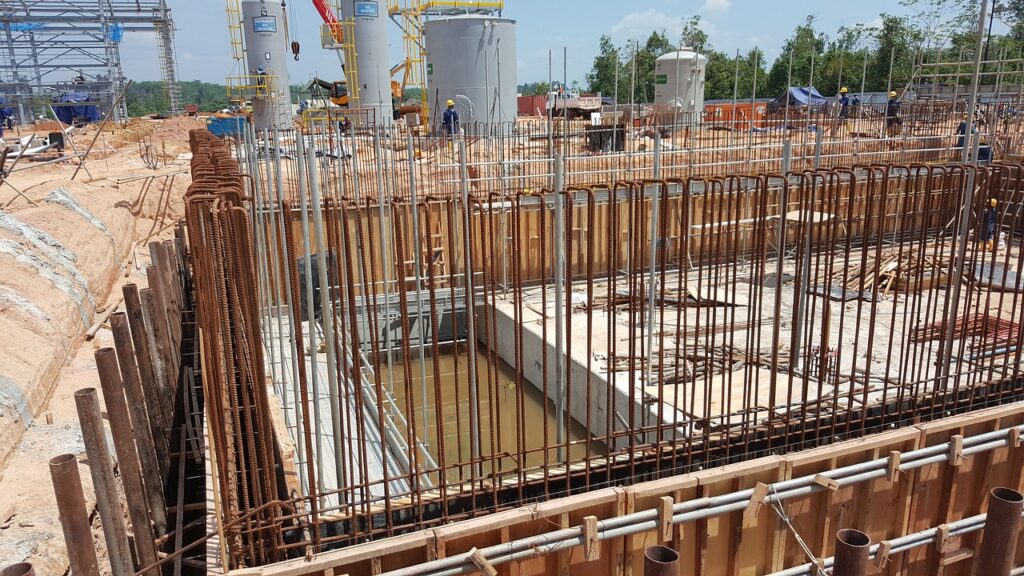
Career in Civil Engineering in India: A Practical guide on Scope, Salary & Demand
Frankly speaking, I have done B.E. in Civil Engineering so I have the Authority to talk on this topic. If you are doing or planning to make a Career in Civil Engineering then this article you must have to read. Not only you get a ground reality but also if you are ready to make a mark in civil engineering I will give some insights about Key subjects area in civil engineering, Scope, Salary & demand of it in India.
Civil engineering is the backbone of any nation’s infrastructure development. From ancient marvels like the Great Wall of China to modern wonders like the Burj Khalifa, civil engineers have played a pivotal role in shaping the world we live in. In India, the demand for skilled civil engineers is continuously growing as the nation embarks on ambitious projects in transportation, energy, urbanization, and more. This blog aims to provide Indian students with a detailed insight into real-life experience of civil engineering.
Ground reality of Civil Engineering Job market in India
1) COVID-19 Pandemic Impact
The pandemic led to project halts and postponements, causing uncertainties in the civil engineering job market.
2) Economic Slowdown
India’s economy has experienced fluctuations, impacting the construction and infrastructure sectors, leading to reduced job opportunities.
3) Uncertain Job Market
The job market for civil engineering can be unpredictable, with tough competition for entry-level positions.
4) Skill Mismatch
The rapidly evolving technological landscape may require additional skills beyond traditional civil engineering knowledge.
5) Low salary High workload
Don’t have the required knowledge or experience in civil engineering and face challenges in getting jobs and also struggle to earn higher salaries with high workloads. High supply of engineers but of low quality.
If You are Ready to face this ground reality & try to overcome them & then let's explore further
Career Opportunities in Civil Engineering in India
1) Government sector
Civil engineers can work in various government departments like Public Works Departments (PWD), Railways, and the National Highways Authority of India (NHAI) & Central Public Works Department (CPWD), etc.
2) Private sector
Construction companies, real estate developers, infrastructure firms, and consulting agencies offer rewarding career options.
3) Research and academics
Civil engineers can contribute to research and teaching in renowned institutes.
4) Entrepreneurship
Some civil engineers venture into their own firms to take up challenging projects independently.
Scope of Civil Engineering in India
Civil engineering has a vast scope in India due to the country’s growing infrastructure needs and urbanization. As the government invests heavily in building highways, bridges, airports, railways, and other public infrastructure, civil engineers play a pivotal role in designing, planning, and executing these projects. Additionally, the private sector also demands civil engineers for constructing residential and commercial buildings, industrial facilities, and urban development projects.
Some key areas where civil engineers find opportunities in India include:
Some civil engineers pursue research or academic careers, contributing to advancements in the field.
Salary & Demand of Civil Engineers in India
The salary & demand of civil engineers in India can vary based on factors such as educational qualifications, work experience, the sector of employment, and the location of the job. Here are some approximate salaries as per demand at various level ranges for civil engineers in India:
Civil engineers working in government organizations or public sector units may have a salary scale based on government pay scales, with additional benefits and allowances.
Civil engineers working in private construction firms or multinational companies may receive higher salaries and performance-based incentives.
It’s important to note that salaries can also differ based on the location of employment. Major cities and metropolitan areas tend to offer higher salaries compared to smaller towns or rural regions.
If you are Confused that whether Civil Engineering is right for me or not? Let's Check out our Student Success milestone by clicking the link below